
Historical Necessity and Individual Choice
War and PeaceThe novel explores how personal decisions feel free while becoming part of historical processes that no individual can control.
increasing Bearing strength in each event
 decreasing
Bearing strength in each eventdecreasingPersonal Motives
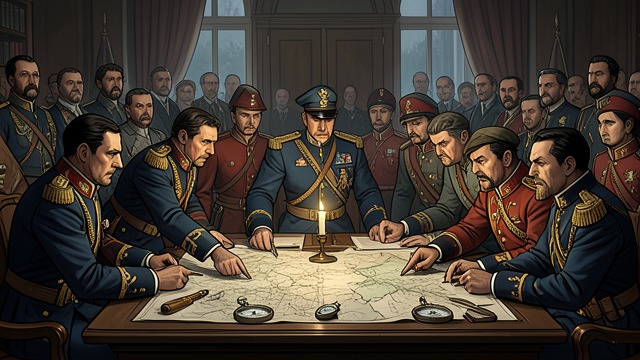
Private Reasons for Public War
Sovereigns, officers, and soldiers enter the war for different reasons: ambition, duty, employment, fear, or habit.
No Single Cause
Diplomatic explanations fail to account for the multiplicity of motives.
Historical Pattern
The novel begins treating war as the sum of countless personal choices.
Commands and Consequences
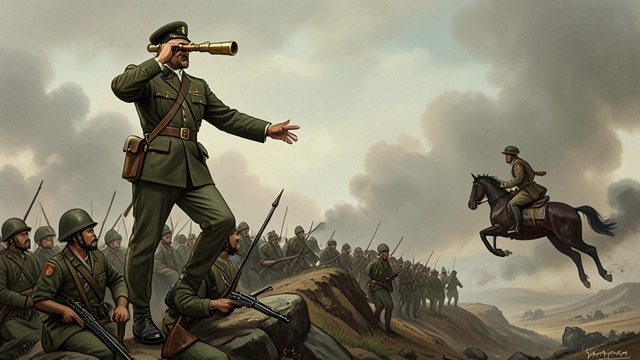
Orders Do Not Control Events
Napoleon Bonaparte and Russian commanders issue plans that are delayed, altered, ignored, or made irrelevant by circumstances.
Apparent Authority
The commander's will appears to cause movement only because successful orders are remembered.
Invisible Conditions
Time, distance, weather, morale, and local action determine what can actually happen.
The Flank March
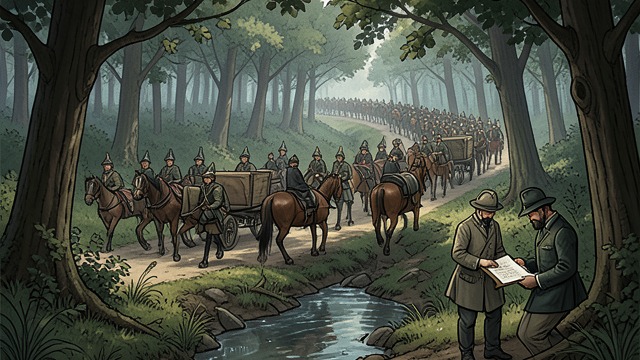
Movement Without a Master Plan
The Russian flank march to Tarutino emerges gradually from supply needs, French inactivity, and changing reports.
Retrospective Genius
Later historians attribute the movement to deliberate strategic foresight.
Novelistic Correction
The movement is shown as a cumulative result of small decisions rather than a single design.
Collective Will
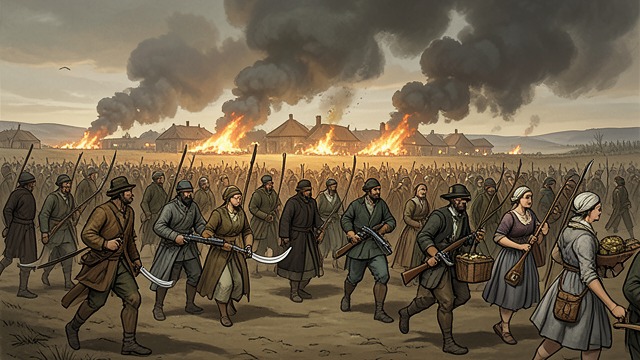
Individual Acts Become National Force
Peasants, partisans, soldiers, and families act from immediate motives that together destroy the French position.
Unconscious Cooperation
Few participants understand the historical meaning of their actions.
Result
A national victory emerges without a central plan.
Theory of Necessity

Freedom and Necessity
The epilogue argues that every human action combines conscious freedom with conditions imposed by time, space, and causation.
Historical Science
History should study innumerable individual tendencies rather than heroic explanations.
Philosophical Balance
Freedom is the content of life, while necessity is the form through which life becomes intelligible.
1805 during the War of the Third Coalition
1812 during the French invasion of Russia
September 1812 after the abandonment of Moscow
October-December 1812 during the People's war
1813-1820 in the second epilogue
